…because if you don’t see it, it’s not there, okay?
…and really, $380 on coffee per month while denying someone real food to live…? No shame.

…because if you don’t see it, it’s not there, okay?
…and really, $380 on coffee per month while denying someone real food to live…? No shame.
Michael Twitty has this up on some of the food the slaves use to prepare. When I think of the poor folk now, really, it’s not that far removed. One can only do so much with food stamps, and as I’ve posted before, if you’re on a Celiac diet or try to eat organic/non-processed food, it is pretty damn difficult to stay in budget.
From my experience, I do know that all the stuff that they tell you is bad (which is wrong, btw), such as bacon, fatty pieces of meat, and the like, sure do make the cheap meat and vegetables taste oh-so-much better. There were times when I walked through the building in FW, the aromas coming from apartments was soo good, I thought there should be some rule that if you make something that smells that good, you should have to share it with the rest of the building. Heh.
I have to hand it to African American folk–there were some pretty darn good cooks in my building. They used what little they had to make tasty meals.
And I learned something today–that there wasn’t segregation with the whites on plantations. That is heartwarming to hear. Good for them for not lumping all whites together and rejecting those that came around. Poor folk is poor folk, no matter. It’s too bad that after the commonality of being poor is no longer there, that folks no longer feel that community togetherness. Why?
I just love this stuff–it gives so much more of history than just names, places, and dates. The visual and cultural really brings it alive. I wish Michael Twitty had brought up a little more in the historical aspect of the recipes and cooking methods.
I am always fascinated at how wise they were back in the day…the women gathered the nuts, berries, and plants to eat…how did they know which were poisonous and which weren’t? How did they remember one plant from another? And the ability to put spices together is truly a gift.
Wake-Up Call has a blog up on a new paper by scientists against genetically modified organisms (GMO’s).
From the paper:
For example, the claim that conventional plant breeders have been “genetically modifying” cropsfor centuries by selective breeding and that GM crops are no different is incorrect (see 1.1). The term“genetic modification” is recognised in common usage and in national and international laws to referto the use of recombinant DNA techniques to transfer genetic material between organisms in a waythat would not take place naturally, bringing about alterations in genetic makeup and properties.~~~~~~~~~
These unexpected changes are especially dangerous because they are irreversible.~~~~~~~~~~
Like I posted previously, I’m pretty upset and words fail me, but Rep. Brown speaks for me.
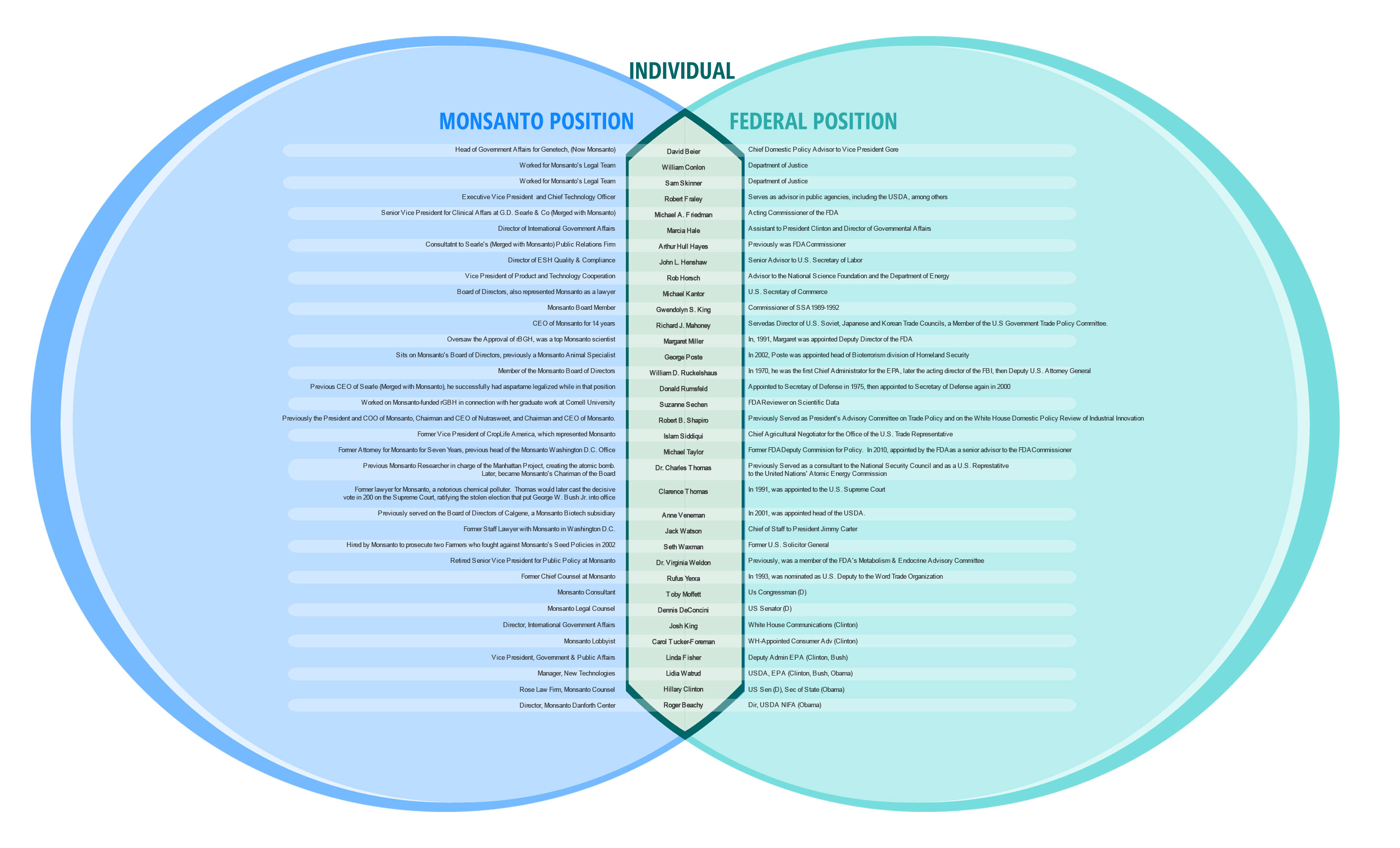
I think we need to stop spending money on these….useless eaters. (Hillary Clinton and Rush Limbaugh have both reportedly stated such) ….so I’m trying to find information confirming that Hillary or Bill made the statement, and it’s interesting all the stuff that I came across….one of which is a statement that Cecil Rhodes of the Rhodes scholarship fame, was a racist who called Africans “useless eaters”. (Interesting that Bill Clinton is a Rhodes Scholar.)
This, for instance. Well, now.
And then there’s this (2010). Isn’t it interesting that wherever Clintons go, there is disaster….and they’re always “my bad” “oops” “sorry bout that, folks”….and they’re still praised out the wazoo….for doing what, exactly…? Somebody please tell me.
More on food from Raj Patel here.
Here’s a link Patel mentions in his blog on the hunger summit.
Wow:
So it’s hardly surprising that almost 200 African farmers’ and campaigners’ groups have rejected the G8’s New Alliance for Food Security and Nutrition, calling it a “new wave of colonialism” in a statement sent to G8 leaders earlier this week. Their analysis is clear: “Private ownership of knowledge and material resources (for example, seed and genetic materials) means the flow of royalties out of Africa into the hands of multinational corporations.”
~~~~~~~~~~
The real causes of hunger are inequality of wealth and power, not a lack of big business.
~~~~~~~~~~
Word.
We don’t want your GMO’s. We don’t want your money. We want decent, livable wages to pay our own way.
Report here.
Republican leaders said food stamps, traditionally part of the farm bill, would be handled later and that, for now, they needed a way to start negotiations with the Senate over a compromise bill.
~~~~~~~~~~~
If you believe that, I’ve got some oceanfront property in Indiana I want to sell you….
No doubt these members of Congress will go to church Sunday and puff their chests out at what good Christians they are…
I’m not going to comment any further because I’m too upset and I’ll say something I’ll regret later.
I love this! Instead of encouraging women to break the glass ceiling in the corporate world, here is an article about them breaking into farming–traditionally viewed as a man’s work. (Although anybody who knows farmers know that the the entire family helps and that women had traditionally helped in the fields, along with taking care of the household. You know the old tale that great grandma gave birth in the morning and plowed the back forty in the afternoon…)
Farming means independence in so many ways–owning your own land, growing not only your own food, but earning bucks selling to others, playing in the dirt is always fun :), and just being out in the fresh air uplifts the spirit. During the last Depression, folks were very poor, but they could still feed themselves if they had enough land to grow food. This time around, things have changed….making people more dependent on food stamps, IMO.
When I worked on the farm that summer a few years ago, it was such a great experience. I could be planting, when a butterfly floats by…or a grasshopper hops past…we would see clouds rolling in and wait until the last possible moment to make a run for it. If it wasn’t lightening out, we would just continue to work (as long as it wasn’t a downpour). Just being out in the fresh air away from office cubicles (and office politics) is so freeing.
And if you needed to, you could bend the farm schedule around the family needs. And then there is the sense of community that is a part of farming–farmers know one another and will help another out. I’ve heard stories of a farmer being injured and unable to get the crop harvested, which would mean losing the crop, their income and their farm…and the other farmers would come to his aid and harvest the crop.
And the wonder of watching a seed planted grow and eventually produce food is nothing short of a miracle. You never know when drought will occur, when torrential downpours will wash things out, or when overbearing heat will scorch the plants….and on…farming is not for the faint of heart. It’s an art. A craft borne of experience.
~~~~~~~~~
Here is a neat story on a man from Bangladesh whom now calls the U.S. home. He started his own restaurant and began growing fresh food to supply the restaurant. He wanted to expand that with emphasis on food justice and found it with the help of Julia Nerbonne of the HECUA (Higher Education Consortium for Urban Affairs). This ambitious project seeks to have fresh food brought to restaurants from nearby farms…and I love the idea of rickshaws bringing it to market. As the story states, though, winter is the hard part–not only the end of growing season, but difficulty in transporting food to the restaurant. It’s an interesting idea that I hope grows and takes hold.
Here’s to good food! And the farms that do it sustainably!
common dreams has this link up on the octopus of GMO corn and the emerging super bugs that are resistant to the pesticides….
…and of course, their answer is to….throw more pesticides after them.
We all saw this coming, so why are Monsanto and Syngenta still allowed to market this monster?
Congress, can you hear the American public that you love to *quote* all the time? Can you hear us above the *clink* of money in your pocket? (Be sure to click on the media link and its pathetic and sometimes belittling coverage).
Vilsack, can you cut your ties with Monsanto and do what is right for the environment and our health?
Here’s a report about GMO’s in the waterways in my own backyard. This is a freaking nightmare.
As a side note, here’s an article on aerial spraying and untested chemicals. Gees-o-pete, does anyone stand up to the chemical industry??
I found a used book on natural medicine by an M.D. that actually believes in food as a healing or in my case, a hurting element of health; exercise, and vitamin supplements helping one to stay healthy. The book is called Natural Prescriptions by Robert M. Giller, M.D. and Kathy Matthews (this cover isn’t the same as my book, so I’m not sure if it is the same one or another updated version).
I guess now would be a good time for the lawyer-speak: The suggestions here are not meant to diagnose or cure. If you are having health issues, you should seek the guidance of a health care practitioner.
Dr. Giller touches on Celiac disease. He mentions the neurological connections with schizophrenia and depression, but he fails to note migraines, seizures, and possible Alzheimer’s as symptoms of Celiac. He also states that once one begins the gluten-free diet, one’s symptoms should abate in a couple of weeks. bwahahahahahahahahahaha. Obviously not an expert of Celiac. Healing the gut, as noted by Dr. Natasha Campbell-McBride, takes one to two years, depending on severity. But Dr. Giller does note that one cannot go back to eating gluten after the symptoms subside.
Anyway, Dr. Giller did have some pretty good questions to diagnose Celiac:
1. Do you have Irish, Scottish, English, or Scandinavian heritage? (I would add German or Dutch) Dr. Giller notes that every 1 in 215 Irish suffer from Celiac. Whoa.
2. Is there a history of intestinal disease in your family? Does anyone in your family experience similar symptoms including chronic gas, bloating, and indigestion? (This is harder to answer because the farting thing is kinda a dirty little secret…I can’t imagine folks sitting around at family gatherings talking about it. :p )
3. Have you ever had a blistery rash on the inside of your elbows, behind your knees, or at other body folds?
4. Is your abdomen ever swollen? (Take heed of this–I just thought that I had gained weight (due to thyroid/mercury) and that was why my abdomen was swollen. Nope. It was dramatic how much it shrunk when I began the gluten diet. If you recall, I lost twenty pounds within six months. Remarkable. )
5. Is chronic fatigue a serious problem in your life, affecting your job performance and social obligations? (I notice just before I get a migraine, my energy levels plummet. BUT this is an incredible improvement from just three years ago, when I got tired just walking twenty feet from my bedroom to the front room. Most people are mischaracterized as being lazy when they actually have chronic fatigue.)
6. Do you have frequent diarrhea or constipation? (This is a tricky question because if you have been undiagnosed all of your life, what is “normal” to you is not a true indication of health. That is, you may suffer from either or both, thinking this is just how your body is, without knowing that you’re a Celiac. So you might not think to mention this to the doc because it is “normal” for you.)
7. Does your family have a history of stunted growth or delayed maturity? (This is my family. My son was the shortest kid in his class until his Junior year in high school, when he grew. I did not fully mature physically until in my late twenties. )
Of course, Dr. Giller does not mention GMO’s and their possible implication with gut inflammation. This book was published in 1994, so the GMO monster had not yet been released (as far as we know—I keep reading different dates as to when this monster was released.)
A member of the mercury support group posted a link to an interesting report on the effects of histamine on the brain and the resulting serious psychological problems.
I am of the belief that many mental problems are not caused solely by brain chemicals gone awry. I know too much now to ever go back to that thinking–mercury poisoning has taught me that. Rather, I think many mental problems are manifesting in the brain, but the real issue is something gone wrong in the body. And the issue of environmental toxins is key, also.
This page explores the effects histamine has on a person’s personality. It is just stunning how severely someone can be affected.
I learned something today.
 Eagle
Eagle 
You must be logged in to post a comment.